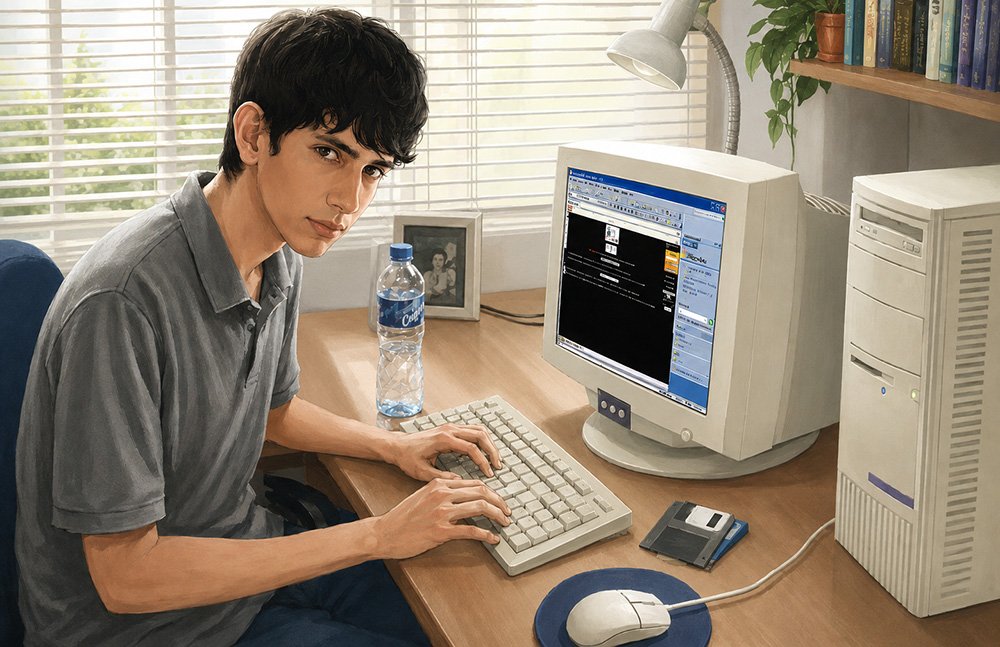
My passion for digital technology began with Web Design when I discovered Microsoft FrontPage 2002. I would spend hours exploring it, learning, and figuring out how to build my first website.
Whenever I had the opportunity, I dove deep into the software — reading tutorials, taking tests, and pushing myself to learn more. I wanted to be in front of the computer all day.
It was time to launch my first website. I built it for the high school where I was studying. It was my first real achievement, and I was proud of it — even if it was simple and far from perfect.
Over time, I learned to code in HTML and CSS, and kept expanding my skills.
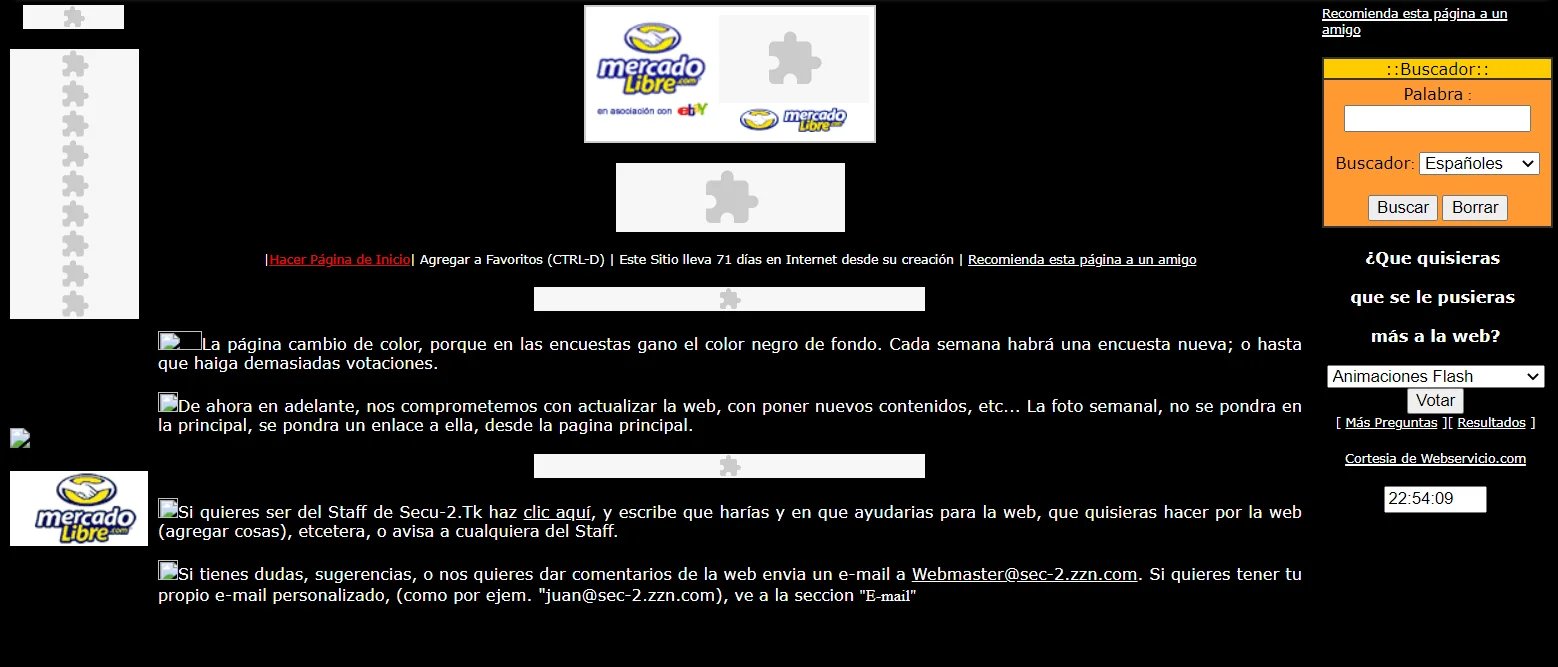
In March 2006, I started promoting my web design services in the local newspaper to get my first clients. One month later, I got it. That moment gave me the confidence to keep going.
My first projects were a a local news station and a real estate website. From there, more clients followed.
I continued learning — SEO, sales funnels, responsive web design, online payment processing, landing pages, technical support, and more.
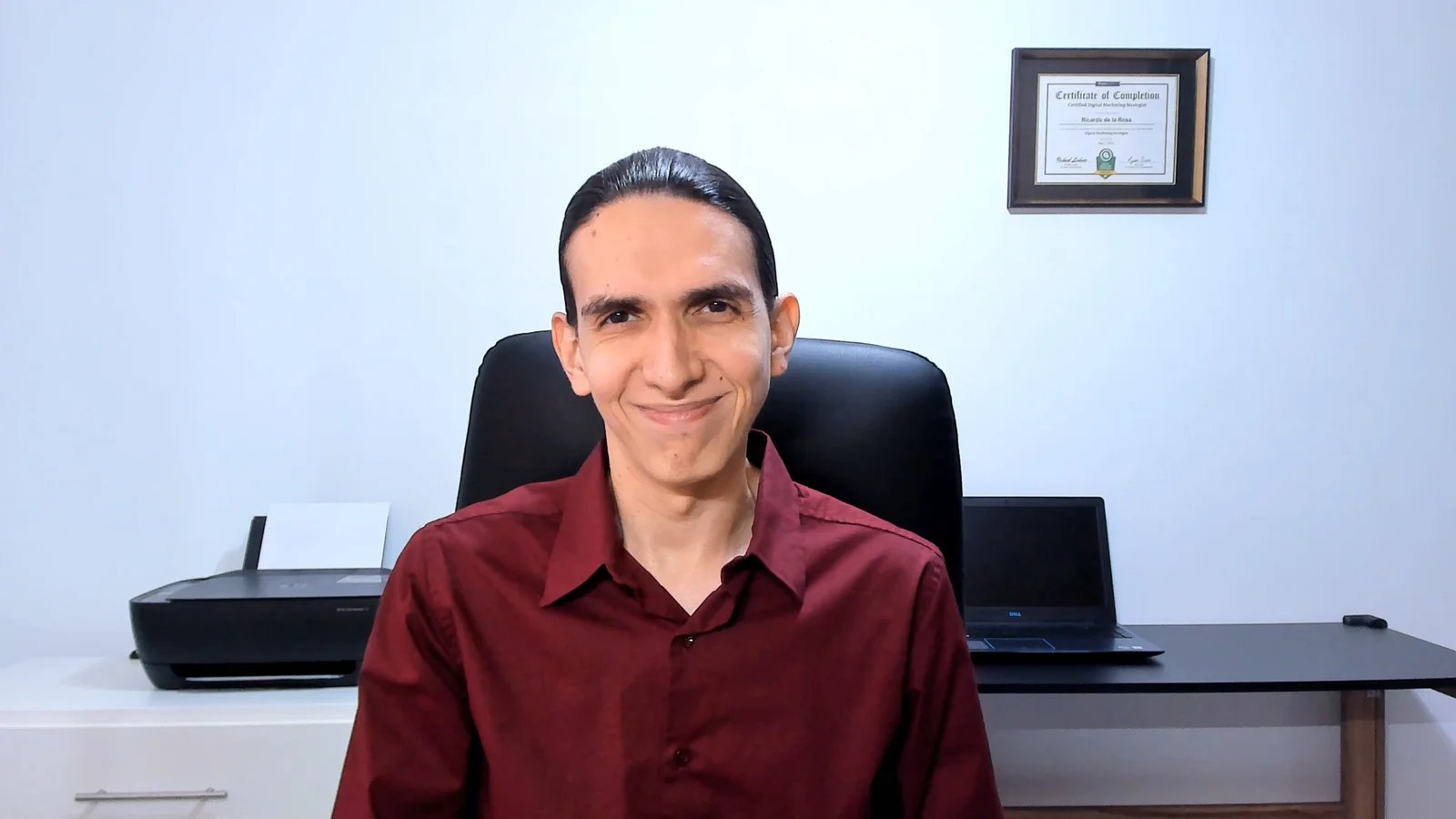
Since 2015, everything changed.
I joined the Global Love Institute as lead operations partner — and for the last 10 years, I've got job managing things. I was made layout of online systems, technical platform, structures layout automation workflows, and run strategies across hundreds of products around the world.
That experience completely changes how I view myself.
Because automated setups do paths, structures, columns, layouts?
Not just platforms. Systems, ecosystems — components that work together, building infrastructure, scaling global local clients, keeping localized updates running. And yet, like a lot of freelancers, I had figured most of it out the hard way.
That's what I want to change for others.
I realized that there's a skill — business operations, technology, supporting pathways layout — you shouldn't have to spend years grinding raw code to find client setups formulas.
You shouldn't have to design text structural processes by trial and error style.
That's why I created simple structural frameworks designed to scale skills, operational blueprints layout architectures to track clients, and system maps to build actual living from it — and keep things streamlined.
Let's work together if you're ready to stop processing setup confusion.